
Top car camping gear 2025: road trip ready
Car camping has evolved from a simple weekend getaway into a sophisticated lifestyle choice for those seeking freedom without sacrificing modern comforts. As we look toward 2025, the landscape of road trip gear is shifting toward smarter, more sustainable, and highly compact solutions. Whether you are a seasoned overlander or a casual traveler exploring national parks, having the right equipment is essential for a seamless experience. This guide explores the most innovative car camping gear hitting the market this year, focusing on durability, efficiency, and comfort. From high-tech power stations to advanced sleeping platforms, we will dive into the essential components that transform any vehicle into a mobile basecamp. Join us as we break down the definitive kit for your next great adventure on the open road.
The evolution of sleep systems and interior comfort
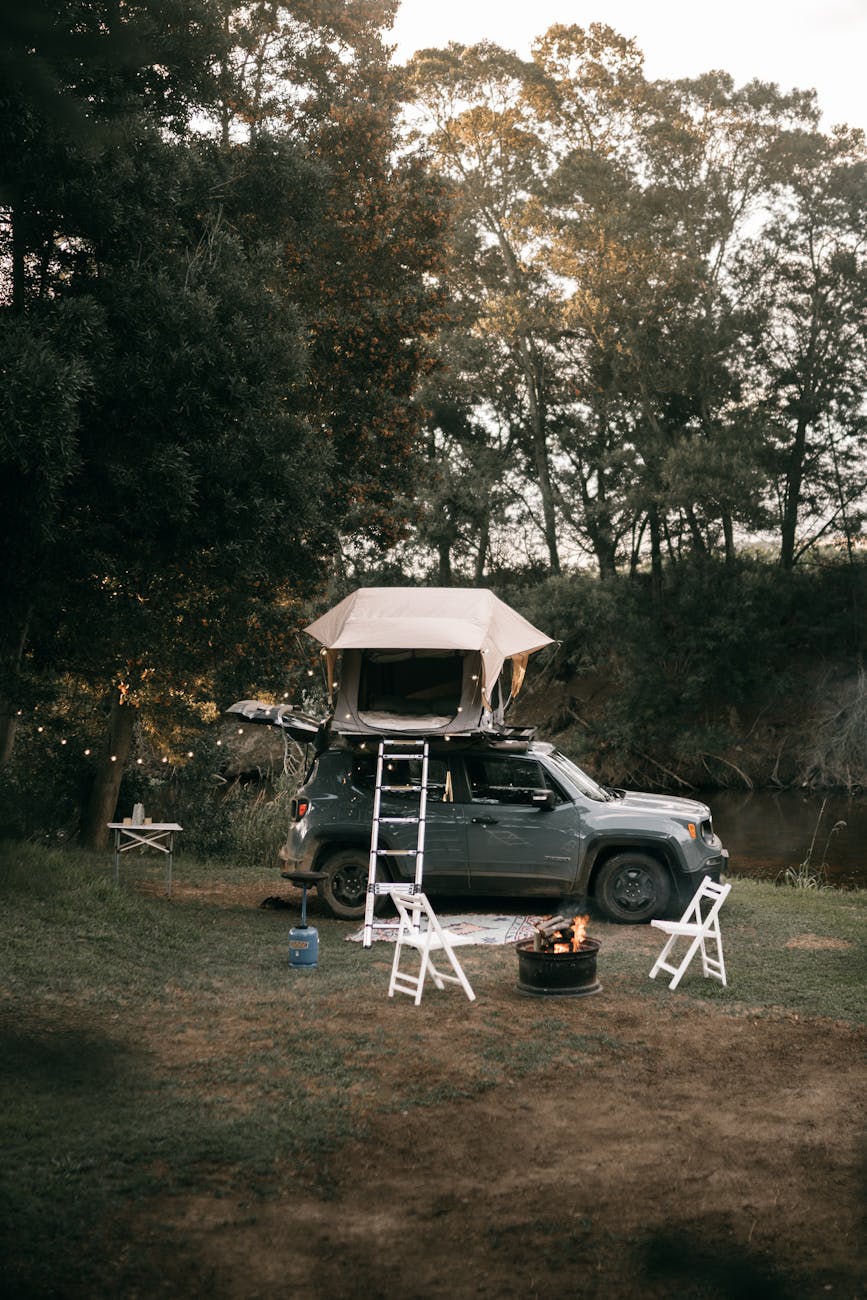
In 2025, the standard for a good night’s sleep while camping has moved far beyond the thin foam pad. Modern car campers are prioritizing ergonomic support that mimics a domestic mattress. Self-inflating pads using 3D construction techniques are leading the market, offering several inches of loft that smooth out the uneven surfaces of folded car seats. These systems often feature high R-values, which measure thermal resistance, ensuring that the cold from the vehicle floor does not seep into the sleeper. For those with larger SUVs or trucks, rooftop tents have become more aerodynamic and easier to deploy, with some models now featuring integrated LED lighting and USB ports powered by external battery packs.

The interior climate is another area where technology has made significant strides. Magnetic thermal window covers are now a staple for serious travelers. These covers serve a dual purpose: they provide total blackout privacy and act as insulation to keep the car cool in summer and warm in winter. When paired with low-decibel rechargeable fans that can run for 24 hours on a single charge, the interior of a vehicle becomes a controlled environment regardless of the external weather conditions. This focus on the “bedroom” aspect of the car ensures that campers wake up refreshed and ready for a day of driving or hiking.

Culinary innovations for the mobile chef
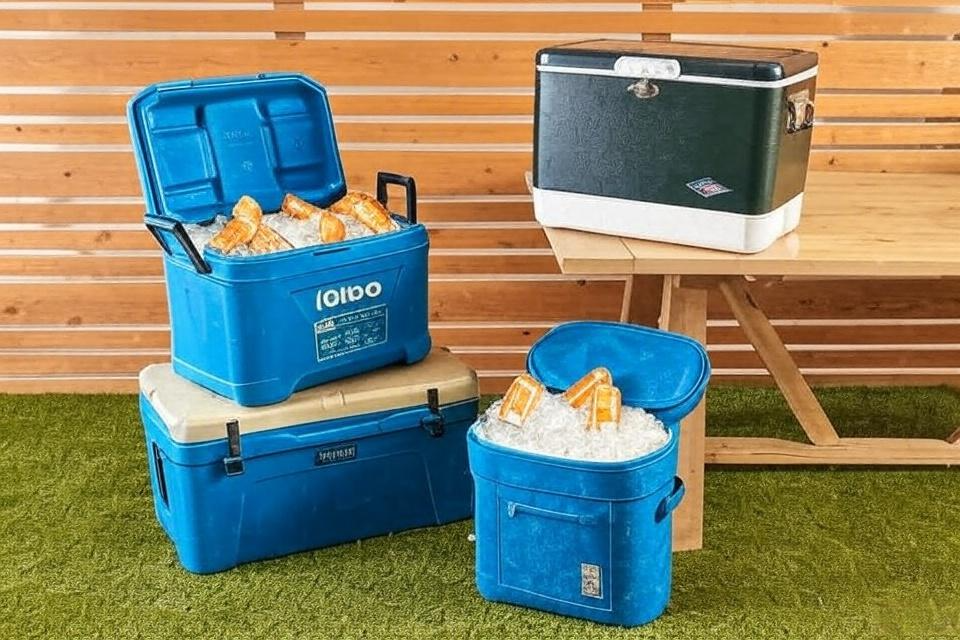
The days of relying on bags of melting ice are rapidly coming to an end. Portable 12V dual-zone refrigerators have become more affordable and energy-efficient, allowing campers to keep frozen goods and fresh produce separated without the mess of water logs. These units are often designed to fit perfectly behind a passenger seat or in a trunk slide. Alongside cooling, the method of cooking is also changing. While propane stoves remain popular for their reliability, portable induction cooktops are gaining traction among those with high-capacity power stations. Induction offers faster boiling times and eliminates the need to carry flammable gas canisters inside the vehicle.

To keep the kitchen organized, modular storage crates with integrated bamboo cutting board lids have become the preferred choice for 2025. These systems allow for a “grab and go” approach where all spices, utensils, and dry goods are stored in a single, stackable unit. Cleanup has also been simplified with the introduction of collapsible silicone sinks and pressurized water tanks that can be mounted to a roof rack. These tanks use solar energy to heat the water, providing a warm shower or a hot rinse for dishes at the end of the day, which significantly improves the hygiene standards of long-term road tripping.
Powering the modern nomadic lifestyle
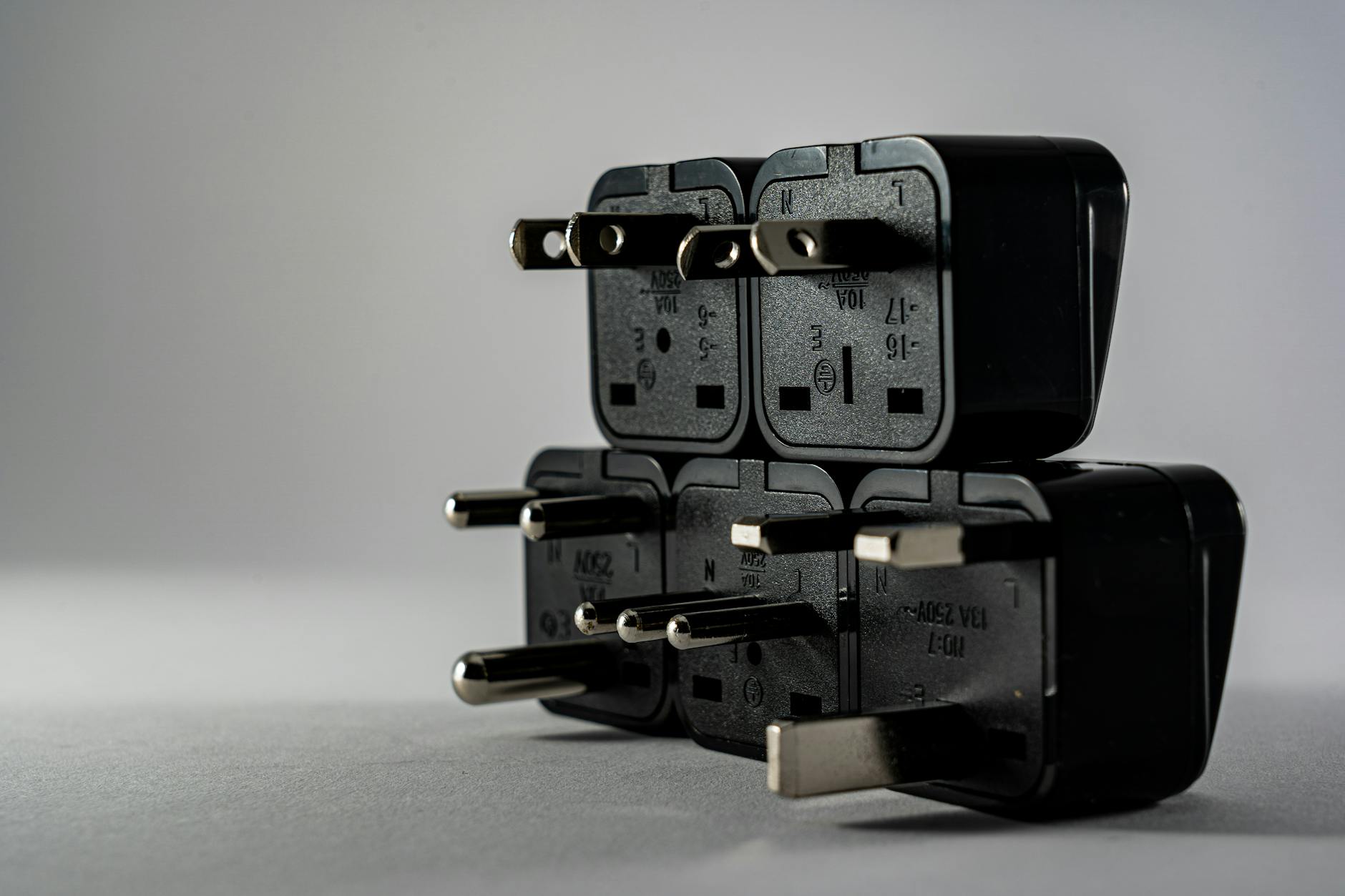
Reliable electricity is the backbone of the modern car camping experience. In 2025, the shift toward Lithium Iron Phosphate (LiFePO4) batteries in portable power stations has become standard. These batteries are safer and boast a much longer lifespan compared to older lithium-ion versions, often lasting for thousands of cycles. For most campers, a 1000Wh station is the “sweet spot,” providing enough energy to run a fridge, charge laptops, and power lights for several days. Many of these units now feature rapid-charging capabilities, allowing them to reach an 80 percent charge in just an hour while driving or via a wall outlet.
Solar integration has also become more user-friendly. Foldable solar blankets are replacing rigid panels for many car campers because they can be easily spread across a windshield or a roof when parked and tucked away under a seat when not in use. This energy independence allows for longer stays in remote areas without the fear of a dead vehicle battery. To better understand the power requirements of common gear, consider the following table which highlights the average consumption of 2025 camping electronics:
| Device type | Average consumption | Importance level |
| 12V Portable Fridge | 30 – 50 Watts | Essential |
| LED Camp Lighting | 5 – 10 Watts | High |
| Induction Cooktop | 1200 – 1800 Watts | Optional |
| Laptop Charging | 60 – 100 Watts | Moderate |
| Smartphone / GPS | 5 – 15 Watts | High |
Optimizing space with smart storage solutions
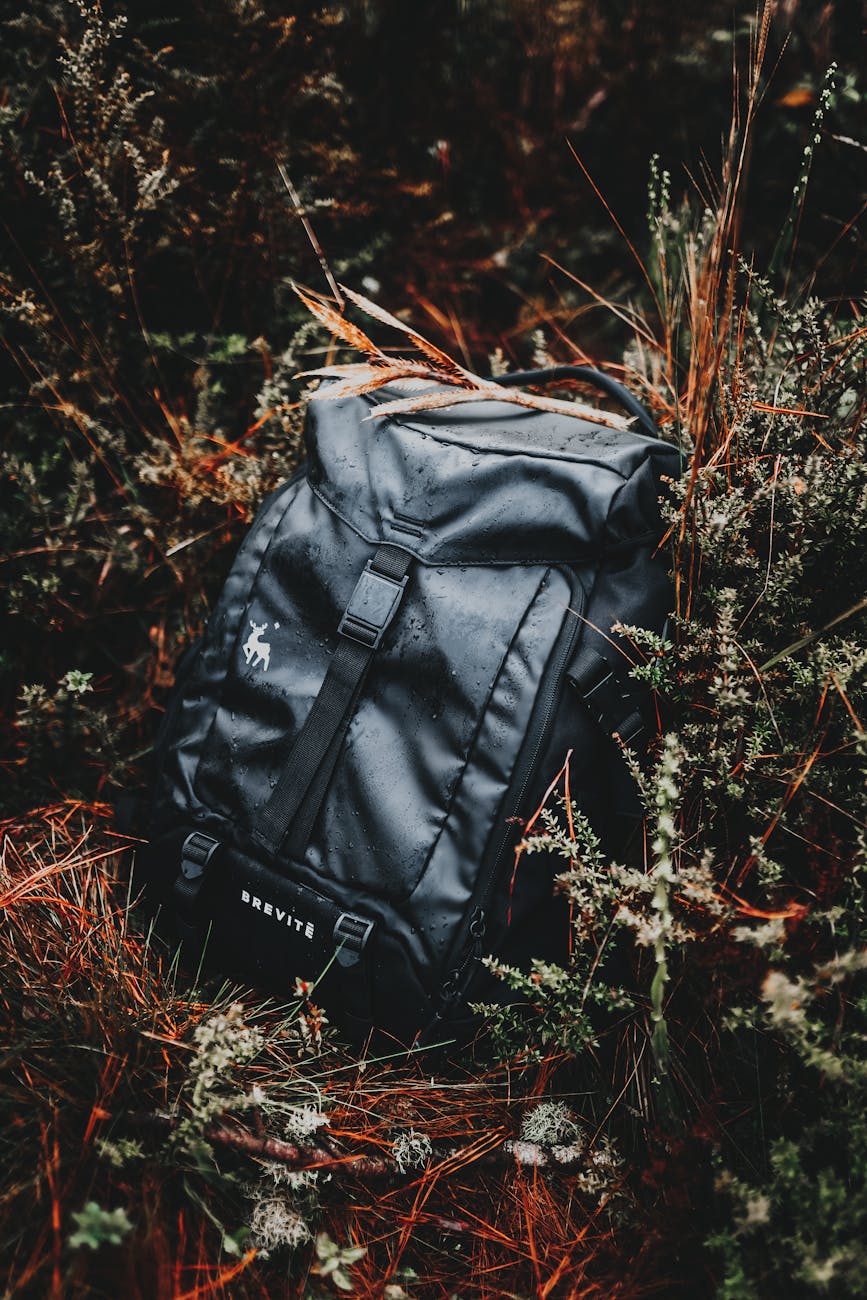
Efficiency is the primary challenge of car camping, as every cubic inch of the vehicle must be utilized effectively. In 2025, the trend is moving toward soft-shell storage and modular packing cubes that can conform to the irregular shapes of a car’s interior. Unlike hard plastic bins that leave gaps, heavy-duty fabric bags can be squeezed into corners or stacked tightly. Many of these storage solutions now feature clear vinyl windows or labeling systems, so you never have to dig through multiple bags to find a headlamp or a first-aid kit. This level of organization reduces the stress of setup and breakdown at each campsite.
External storage has also seen a redesign. Modern roof boxes are now lower profile to reduce wind noise and improve fuel economy, which is a vital consideration for long-distance road trips. For those who need even more room, hitch-mounted cargo carriers have become popular because they allow for easy access to the trunk without having to unload everything. These carriers often feature weather-proof gaskets to protect gear from road salt and rain. By moving bulky items like camp chairs, fire pits, and recovery gear to the exterior of the vehicle, the interior remains a clean and comfortable living space for the duration of the journey.
Conclusion
Preparing for a road trip in 2025 requires a balance between traditional camping ruggedness and modern technological convenience. We have explored the shift toward high-efficiency power sources, professional-grade kitchen setups, and sleep systems that rival home bedrooms. By investing in modular storage and sustainable energy, campers can extend their journeys further into the wilderness than ever before. The key to a successful car camping experience lies in selecting gear that maximizes space while minimizing setup time. As vehicle technology continues to integrate with outdoor equipment, the boundaries between home and the road will continue to blur. Ultimately, the best gear is the kind that fades into the background, allowing you to focus on the vistas and the journey ahead. Safe travels and enjoy the freedom of the open road.











Leave a Reply